

Quick Services
Download

Protecting Cladding at Its Weakest Points
Cladding systems are designed to protect a building from weather, heat, and external stress, but their performance depends heavily on how well the joints are sealed. Gaps between panels, frames, and interfaces are the most vulnerable points, often leading to water ingress, air leakage, and gradual façade deterioration. Over time, this can result in staining, corrosion, insulation damage, and costly repairs.
Professional cladding silicone application creates a flexible, durable seal that absorbs structural movement while maintaining a watertight barrier. At Silicone Crew, we focus on proper joint preparation, correct sealant selection, and precise application. Our clean, straight silicone lines not only enhance weather resistance and energy efficiency but also preserve the façade’s appearance. By sealing your cladding correctly, you protect the building envelope, extend the lifespan of materials, and avoid avoidable maintenance issues in the future.
Why Silicone Application Is Critical for Cladding
Cladding panels are always moving — expanding in heat, contracting in cooler weather, and shifting slightly due to wind and building load. This movement puts constant stress on the joints between panels. If these joints aren’t sealed with flexible, professionally applied silicone, small gaps start to appear. Over time, this allows water and air to pass through, causing stains, corrosion, dampness, and damage behind the cladding. Poor or rigid sealing often cracks and fails much faster.
Professional cladding silicone application prevents water leakage, staining, corrosion, and joint failure. Flexible, high-performance sealing absorbs movement, protects insulation and sub-structures, extends façade lifespan, and maintains a clean, weatherproof, premium exterior finish.
Our Cladding Silicone Application services
Professional Silicone Application for ACP Panels
Silicone Crew's Extensive Aluminium Composite Panel Services
- Horizontal joints between cladding panels
- Vertical and horizontal panel joints
- ACP-to-RCC structure joints
- ACP-to-steel frame connections
- Corner folds and aluminum angle joints
- ACP-to-window and door frame junctions
- Panel-to-panel butt joints
- Open joints in ventilated / rainscreen cladding
Silicone Crew’s ACP cladding sealing service delivers straight, flexible silicone joints that block water and air infiltration, reduce maintenance risks, and preserve the façade’s strength and appearance.
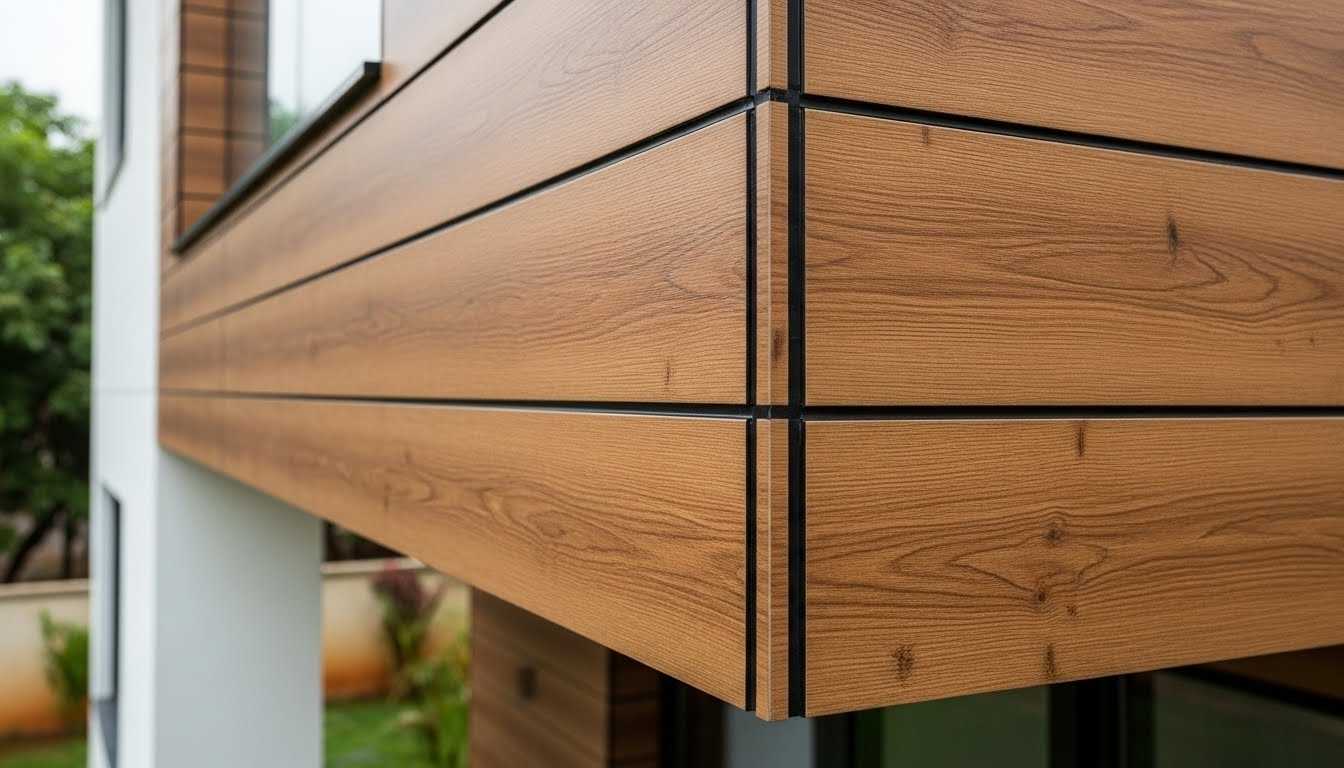
Sealing WPC Panels for Long-Term Performance
Silicone Crew's Extensive Wood Plastic Panel Services
- WPC to brick or plastered wall joints
- Door and window junctions
- Vertical gaps between WPC boards
- WPC to wooden sub-structure joints
- External corners of WPC cladding
- WPC panel to RCC wall joints
- WPC cladding around windows
- Designed expansion joints in long WPC runs
- WPC bottom edge to floor or plinth
- WPC to stone / tile skirting junction
- WPC cladding on balconies
WPC expands, contracts, and absorbs heat. Professional silicone sealing keeps joints flexible, watertight, and visually clean, preventing warping, staining, and premature failure.
Where Stone Strength Meets Proper Sealing
Silicone Crew's Extensive Granite, Marble, Sandstone Services
- Stone panel joints (vertical and horizontal)
- Stone-to-stone movement joints
- Stone cladding to RCC wall junctions
- Stone to brick / plastered surface joints
- Designed expansion gaps in large stone façades
- Internal corner joints
- Stone cladding around window frames
- Door frame to stone joints
- Stone to metal frame joints
- Balcony wall stone cladding joints
- Stone to ACP / metal cladding joints
We specialize in precise silicone application for stone cladding, sealing joints and edges to prevent water damage, staining, and joint failure while enhancing façade durability and long-term structural safety.
Weatherproof Sealing for HPL Panels
Silicone Crew's Extensive High Pressure Laminate Application Service
- Vertical joints between HPL panels
- Horizontal joints between HPL panels
- Open joint backing areas in ventilated HPL façades
- Panel end joints and overlap edges
- Panel-to-steel subframe connections
- HPL panel to aluminum framework joints
- HPL-to-window frame joints
- HPL-to-door frame joints
- Cracked or hardened silicone joints
- Water seepage–prone joints
Silicone Crew’s HPL cladding sealing service ensures reliable joint protection, accommodating panel expansion while maintaining airtight, watertight performance and a neat, professional façade finish.
GI, aluminium, zinc, PPGI, color-coated sheets
Silicone Crew's Extensive Metal & Sheets Application Service
- Metal Sheet to RCC wall joints
- Horizontal sheet overlaps
- Vertical sheet joints
- Cladding edges against walls or columns
- Rivet joints
- Sheet to steel frame / purlin joints
- Sheet to wooden sub-structure joints
- Movement gaps between different metals
- Metal cladding around windows
- Door frame to sheet junctions
Professional metal cladding silicone application seals sheet joints, fasteners, and edges against leaks, corrosion, and wind pressure. Our precise, flexible sealing absorbs thermal movement, improves durability, and ensures long-lasting weather protection with a clean, professional finish.
Best Suited For
Our Silicone solution ensures reliable sealing at joints, edges, and penetrations, protecting façades from water ingress, weather exposure, and thermal movement while maintaining long-term durability and a clean exterior finish.
- Residential buildings
- Commercial complexes
- Shopping malls & showrooms
- IT parks & office towers
- Hotels & hospitals
- Industrial and warehouse façades
Benefits of Choosing Our Cladding Silicone Service
Silicone Crew’s ACP cladding sealing service delivers straight, flexible silicone joints that block water and air infiltration, reduce maintenance risks, and preserve the façade’s strength and appearance.
- Prevents water leakage & façade dampness
- Improves thermal and energy efficiency
- Allows safe panel movement without cracking
- Protects internal insulation and structure
- Enhances exterior aesthetics with clean joints
- Extends the life of cladding systems
Don’t risk weak silicone sealing — Talk to our team


Frequently Asked Questions
Why is silicone sealing necessary for cladding panels?
Cladding panels move due to heat, wind, and building settlement. Silicone absorbs this movement, seals gaps, prevents water leakage, staining, corrosion, and protects the sub-structure behind the façade.
Why does ACP cladding develop black lines or stains?
These are caused by dust and water entering unsealed joints. Professional silicone sealing blocks moisture and airborne dirt, keeping ACP panels clean and uniform.
Does silicone affect ACP panel expansion?
No—high-quality silicone is elastic. It allows ACP panels to expand and contract without cracking or pulling away from joints.
Does silicone affect ACP panel expansion?
No—high-quality silicone is elastic. It allows ACP panels to expand and contract without cracking or pulling away from joints.
Which silicone is best for WPC panels?
Neutral-cure, weather-resistant silicone is ideal as it bonds well without damaging the composite material.
Will silicone spoil the natural look of stone?
No. When applied neatly with color-matched silicone, it enhances the appearance by keeping joints clean and preventing dark water stains.
Does silicone help reduce rattling noise in HPL cladding?
Yes. Proper joint sealing minimizes vibration and noise caused by wind pressure on large HPL panels.
How do I know if my cladding needs re-siliconing?
Signs include cracks in joints, peeling sealant, water stains, damp walls, rust marks, or visible gaps between panels.